
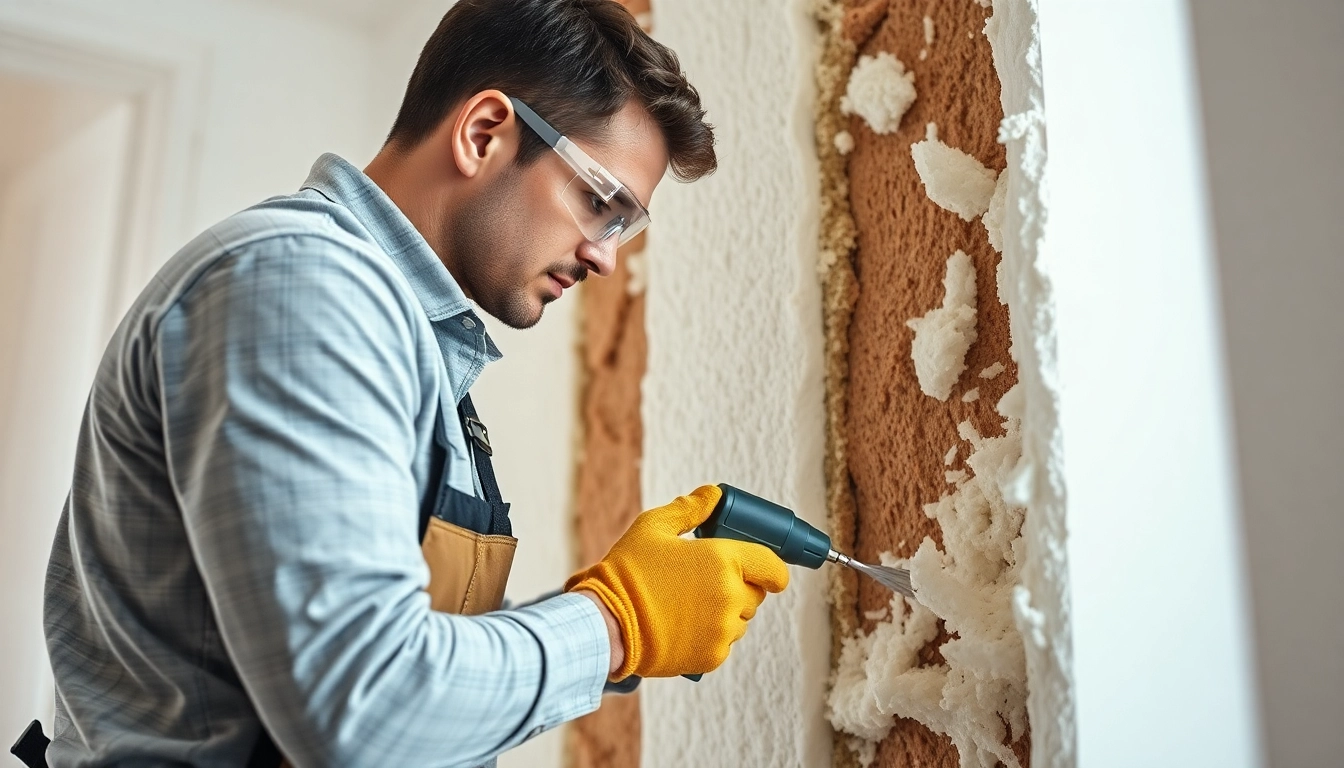
Understanding Spray Foam Removal
What is Spray Foam Insulation?
Spray foam insulation is a popular energy-efficient insulation material widely used in residential and commercial buildings. It consists of two primary components, isocyanate and polyol resin, which, when combined, expand and harden upon application. This unique characteristic allows spray foam to fill gaps, cracks, and cavities, providing superior thermal performance, reducing air leakage, and effectively controlling moisture levels. While its benefits are numerous, there are instances where spray foam insulation may need removal due to damage, improper installation, or health concerns.
Why Would You Need Removal?
The need for spray foam removal contractors arises for several reasons. Firstly, improper installation can lead to ineffective insulation, creating uncomfortable living conditions and rising energy costs. Secondly, damage to the foam, whether from water infiltration or pest activities, can compromise its effectiveness and lead to more extensive structural damage. Lastly, there are health considerations; old foam can degrade and emit harmful chemicals or allergens, necessitating its prompt removal.
Common Removal Techniques
When tackling spray foam removal, several techniques can be utilized depending on the extent of the installation and the material’s location. The most common methods include:
- Mechanical Removal: This method involves scraping or cutting away the foam using specialized equipment. It’s labor-intensive but effective for large areas.
- Chemical Removal: Chemicals designed to soften spray foam make it easier to remove. However, this method requires careful handling to avoid health risks.
- Blasting: High-pressure blasting systems can be used to remove foam without damaging the underlying surfaces, especially in delicate areas.
Finding the Right Spray Foam Removal Contractors
Researching Local Options
Choosing the right contractor is crucial for successful spray foam removal. Start by researching local options through online searches, directories, and social media platforms. Look for contractors who specialize in foam removal and have established credentials. Local resources provide insights into previous work, customer satisfaction, and industry reputation.
Evaluating Qualifications and Experience
Once you compile a list of potential contractors, evaluating their qualifications and experience is critical. Ensure they have proper licensing, insurance, and certifications relevant to insulation and removal processes. Experienced contractors bring knowledge of various removal techniques and can navigate potential challenges effectively.
Checking References and Reviews
Before finalizing your choice, it’s essential to check contractor reviews and ask for references. Browse online review sites, forums, and the contractor’s website to gauge customer satisfaction. Speaking directly with past clients can reveal insights into their reliability, quality of work, and commitment to safety.
Cost Factors in Spray Foam Removal
Understanding Pricing Structures
The cost of spray foam removal varies significantly based on factors such as the size of the area, the type of foam used, labor rates, and the complexity of the job. Generally, contractors may charge by the square footage removed or provide a flat rate based on the project’s overall requirements. Understanding these pricing structures can help you plan your budget effectively.
Comparing Quotes from Contractors
Once you have a clear understanding of the pricing structures, gather quotes from multiple contractors to compare. Be mindful of not just the total cost but also what is included in the quote. Look for detailed breakdowns that specify labor, materials, and any additional fees to make an informed decision.
Estimating Total Project Costs
Estimating total project costs requires factoring in not only removal expenses but also potential repair costs for surfaces damaged during removal. Post-removal cleaning and disposal fees for hazardous materials can also influence the total expenditure. Always include a contingency fund within your budget to handle unexpected expenses.
What to Expect During Removal
The Removal Process Explained
The spray foam removal process typically begins with an on-site evaluation by the contractor, who will assess the extent of the insulation and the best removal strategy. Once a plan is in place, the contractor will prepare the area by sealing off work zones, ensuring safety and minimizing disruption. Depending on the removal technique employed, the process may take several hours to days.
Timeline for Completion
The timeline for completing a spray foam removal project can vary greatly based on the area size and chosen removal method. While smaller jobs might take only a few hours, larger or more complex installations can require multiple days. Contractors should provide an estimated timeline during the initial consultation to help you plan accordingly.
Post-Removal Clean-Up Procedures
After removal, the area will require thorough cleaning to eliminate any residual foam and dust. This might include vacuuming, wiping down surfaces, and even air purification if necessary. Depending on the extent of the job, the contractor may take care of this, or you might need to arrange for additional cleaning services.
FAQs About Spray Foam Removal Contractors
What should I ask before hiring spray foam removal contractors?
Inquire about their experience, certifications, safety protocols, insurance coverage, and examples of completed projects comparable to yours.
Are there any health risks associated with spray foam insulation?
Yes, degraded foam can emit harmful chemicals or irritants. It’s vital to assess potential health risks before proceeding with removal and protect your indoor air quality.
How can I prepare my home for foam removal?
Clear the area of furniture and personal items, ensure proper ventilation, and provide contractors with access to all necessary electrical outlets and utility lines.
How do I know if the contractors are qualified?
Check for licenses, certifications, insurance, and customer testimonials. A reputable contractor should easily provide proof of their qualifications and expertise.
What if I am unsatisfied with the removal job?
If you’re not satisfied, communicate directly with your contractor. Most reputable contractors will address concerns and may offer rework or compensation if the work is subpar.