
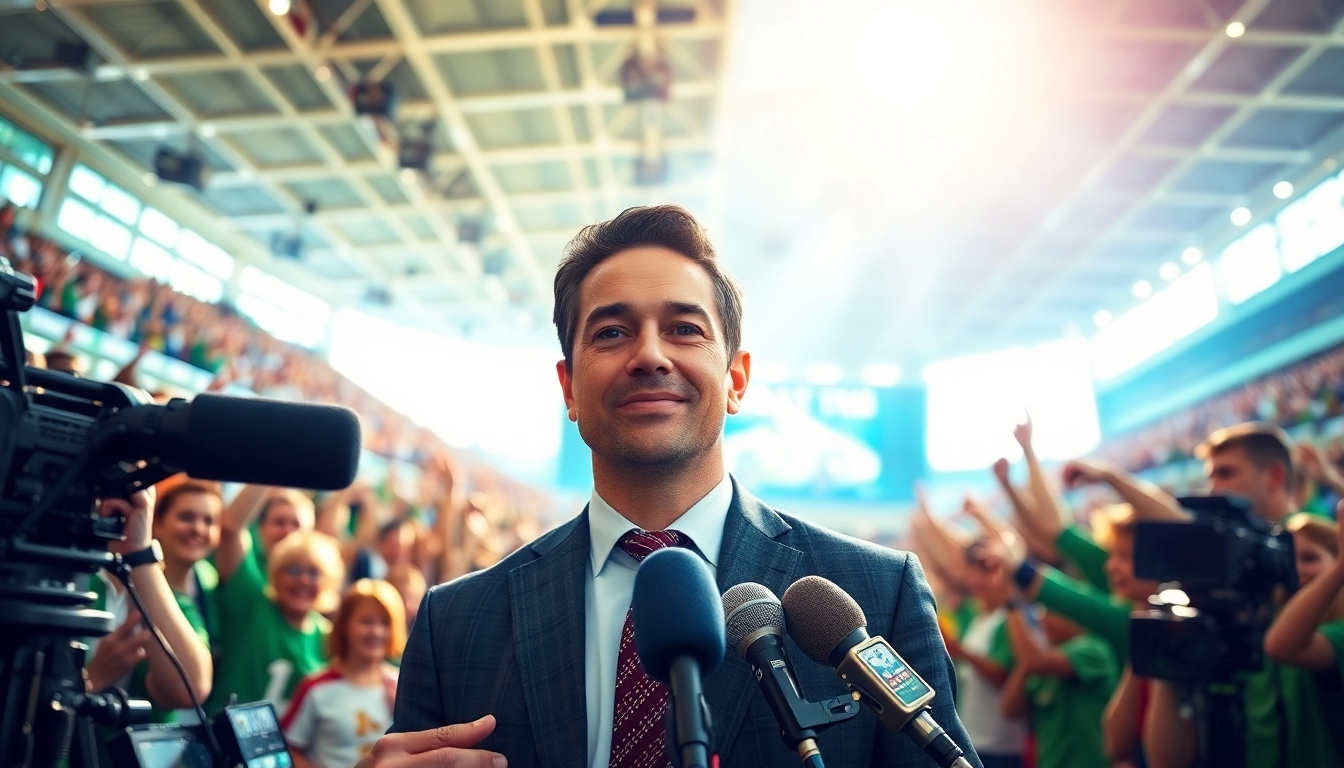
Understanding Sports Broadcasting
Definition and Importance of Sports Broadcasting
Sports broadcasting is the live transmission of sports events to audiences through various media, including television, radio, and online platforms. It serves as a vital bridge connecting fans with their favorite teams and athletes, often amplifying the excitement and engagement from live performances. Effective sports broadcasting not only delivers the action on the field but also enhances the experience by adding commentary, analysis, and insightful storytelling. Sports Broadcasting significantly impacts the sporting industry, driving viewer ratings and creating a sense of community among fans.
Key Roles in Sports Broadcasting
In sports broadcasting, various roles come together to create a compelling viewing experience. Key figures include:
- Play-by-Play Announcers: These broadcasters provide a real-time account of the game, updating viewers on the actions as they unfold.
- Color Commentators: They offer expert analysis, context, and behind-the-scenes insights, enriching the viewer’s understanding of the game.
- Producers: Responsible for the show’s overall flow, they coordinate between different teams and ensure that the broadcast runs smoothly.
- Camerapersons and Technical Crew: They capture the action and manage sound and graphics, playing an integral part in content delivery.
- Researchers: Gathering statistics and background information, they support broadcasters with valuable insights about players, teams, and events.
Types of Sports Broadcasting Events
Sports broadcasting encompasses a wide range of events, each requiring specific approaches and strategies. Common types include:
- Live Game Coverage: Real-time transmission of games, races, or matches, showing all the action as it happens.
- Pre-and Post-Game Shows: Programs that offer analysis, predictions, and summaries around the main event, building anticipation and context.
- Highlight Shows: These programs compile the most exciting moments from various sports, often targeting audiences looking for quick updates.
- Documentaries: In-depth storytelling that dives into teams, athletes, and historical events, providing viewers with comprehensive backgrounds.
- Interviews and Talk Shows: Featuring discussions with players, coaches, and analysts, these shows offer insider perspectives on sports news.
Essential Skills for Sports Broadcasters
Communication and Presentation Skills
At the heart of successful sports broadcasting is effective communication. Broadcasters must articulate observations clearly and capture the essence of the game, often under time constraints. This demands not only vocal skills but also non-verbal cues, such as maintaining an engaging presence on camera. Good broadcasters must also adapt their language and style to suit different audiences, ensuring the delivery is appropriate—be it for a sophisticated audience or casual fans.
Technical Proficiency in Broadcasting Equipment
Understanding the technology behind broadcasting is essential. Broadcasters must be familiar with cameras, microphones, and transmission equipment, as well as the software used for graphic overlays and video editing. Familiarity with audio-visual elements allows individuals to troubleshoot live issues and make seamless transitions during the broadcast, ensuring a polished experience for viewers.
Research and Storytelling in Sports Broadcasting
Research is the backbone of quality sports broadcasting. A solid grasp of statistics, history, and player backgrounds allows for richer commentary and greater audience engagement. Broadcasters don’t merely relay events; they weave narratives that resonate with fans. Capturing the emotional elements of stories—such as a player’s comeback from injury or a team’s championship pursuit—enhances the viewing experience and fosters a deeper connection between audiences and teams.
The Evolution of Sports Broadcasting
History of Sports Broadcasting
The roots of sports broadcasting can be traced back to the early 20th century with radio broadcasts. The first known sports broadcast was a baseball game in 1921, which set the stage for an industry that would expand dramatically. Television entered the scene in the 1930s, with significant advancements occurring during the 1950s and 1960s. This era ushered in iconic moments as televised games captured audiences across the nation, transforming how fans viewed sports.
Impact of Technology on Sports Broadcasting
Over the decades, technology has drastically changed sports broadcasting. The shift from black-and-white to color television, the introduction of instant replay, and the advent of high-definition broadcasts have all contributed to richer viewing experiences. The rise of the internet and social media has further revolutionized engagement, allowing fans to access content on-demand and participate in discussions around games in real-time. Streaming platforms, mobile applications, and interactive broadcasts have responded to changing viewer preferences, ensuring that sports remain accessible anytime, anywhere.
Trends Shaping Future of Sports Broadcasting
Emerging trends indicate that sports broadcasting will continue to evolve. Key developments to watch include:
- Augmented and Virtual Reality: These technologies provide immersive experiences, allowing fans to watch games from different angles or even simulate being in the stadium.
- Personalization: Tailored content based on user preferences is gaining traction, making broadcasts more relevant to individual viewers.
- Interactive Features: Real-time polls, Q&A sessions, and social media integrations promise to increase viewer participation and engagement.
- eSports Broadcasting: As eSports grow in popularity, broadcasting models are adapting to accommodate new types of competitions and audiences.
Challenges in Sports Broadcasting
Dealing with Live Broadcast Issues
Live broadcasting is fraught with challenges, from technical failures to unexpected events during games. Weather disruptions, power outages, and equipment malfunctions can threaten the flow of the show. Effective preparation and the ability to think quickly are crucial. Broadcasters need contingency plans, such as backup equipment and clear communication with technical crews, enabling seamless recovery from potential disasters.
Legal and Ethical Considerations in Sports Broadcasting
Sports broadcasters must navigate a complex landscape of legal and ethical considerations. Copyright regulations, licensing agreements, and the use of social media content are vital areas to understand to avoid infringement. Additionally, maintaining journalistic integrity is paramount. Broadcasters should ensure that they present information accurately, avoid conflicts of interest, and respect the privacy of players and teams.
Managing Public Expectations and Criticism
As public figures, sports broadcasters often face intense scrutiny. Social media amplifies objections and criticisms, and broadcasters must develop resilience and professionalism in handling feedback. Maintaining transparency about their viewpoints, actively engaging with fans, and communicating clearly during controversial circumstances can help manage public relations and build viewer trust.
Best Practices in Sports Broadcasting
Engaging Your Audience Effectively
Engagement is key to successful sports broadcasting. Presenters should leverage interactive elements, such as audience polls and social media integration, to encourage viewer participation. Ensuring that commentary relates to fan experiences can foster a deeper connection, making fans feel involved rather than simply passive spectators. Tailored commentary that acknowledges local fan bases can further enhance the viewing experience.
Building a Personal Brand as a Broadcaster
For aspiring broadcasters, personal branding is essential. A unique voice, visual style, and consistent messaging can help them stand out in a crowded market. Utilizing social media platforms to share insights, behind-the-scenes moments, and personal stories can humanize broadcasters, making them more relatable to audiences. Networking within the industry and seeking mentorship opportunities can also aid growth and development.
Analytics and Feedback for Improvement
Incorporating analytics into broadcasting strategies is increasingly important. By monitoring audience metrics such as viewership rates and interaction levels, broadcasters can understand what works and what doesn’t. Solicit feedback directly from the audience and use it constructively to refine content and presentation styles. Continuous development based on analytical data drives improvement and keeps broadcasters relevant and in tune with audience needs.
Frequently Asked Questions
What is Sports Broadcasting?
Sports broadcasting refers to the live transmission of sports events to audiences through various media including television, radio, and online platforms.
What skills are needed for Sports Broadcasting?
Key skills include excellent communication, strong technical knowledge, storytelling ability, and quick thinking to handle live situations.
How has technology changed Sports Broadcasting?
Advancements like high-definition streaming, social media, and interactive applications have dramatically improved audience engagement and accessibility.
What are common challenges faced by Sports Broadcasters?
Broadcasters often encounter live event disruptions, audience expectations, and the necessity of adhering to legal broadcasting regulations.
How can I improve my Sports Broadcasting skills?
Practice regularly, seek feedback, study successful broadcasters, and stay updated with the latest industry trends and technologies.