
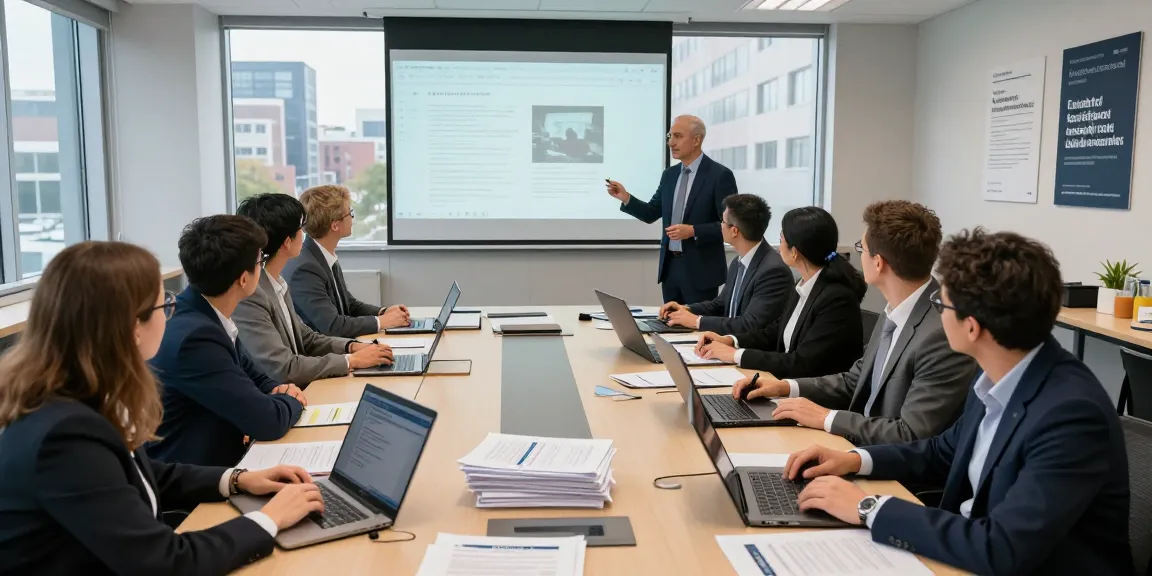
Understanding Forensic Auditing Basics
Forensic auditing has emerged as a critical discipline that not only investigates financial discrepancies but also plays a pivotal role in legal proceedings and dispute resolution. With the increasing complexity of financial transactions and the rise in corporate fraud, the relevance of forensic auditing cannot be overstated. As organizations seek to ensure transparency and accountability, forensic auditors are becoming indispensable in preserving the integrity of financial reporting. In this context, resources like aafikotasurabaya.org provide invaluable insights for professionals navigating the nuances of this field.
What is Forensic Auditing?
Forensic auditing is an investigative process that involves the application of audit and investigative skills to analyze financial information for use in legal proceedings. It aims to uncover fraud, embezzlement, and other financial discrepancies that may lead to litigation or criminal prosecution. Unlike traditional audits, which focus on compliance with accounting standards, forensic audits delve deeper into financial anomalies to identify underlying issues and provide evidence suitable for court.
The Importance of Forensic Auditing in Business
The significance of forensic auditing extends beyond merely detecting fraud; it also enhances corporate governance and strengthens stakeholder trust. In an era where organizations face increasing scrutiny from regulators and the public, implementing robust forensic auditing practices can safeguard against financial misreporting and improve overall organizational integrity.
- Fraud Detection: Forensic auditors are trained to identify red flags and suspicious patterns in financial data, making them essential for fraud prevention.
- Legal Compliance: Regular forensic audits help organizations maintain compliance with regulatory requirements and avoid legal penalties.
- Reputation Management: By demonstrating a commitment to transparency, organizations can bolster their reputation and foster stakeholder confidence.
Key Skills Required for Forensic Auditors
To navigate the complexities of forensic auditing, professionals must possess a diverse skill set. Key abilities include:
- Analytical Skills: Forensic auditors must analyze large volumes of financial data to identify anomalies efficiently.
- Attention to Detail: The ability to spot minute details can make the difference in uncovering fraud.
- Communication Skills: Presenting findings clearly, both in written reports and verbal testimony, is crucial for legal proceedings.
Challenges Faced in Forensic Auditing
Common Pitfalls in Forensic Analysis
Despite its importance, forensic auditors face several challenges. Common pitfalls include reliance on incomplete data and confirmation bias, where auditors may unintentionally seek information that supports preconceived notions. These challenges underscore the need for rigorous methodologies and continuous education in forensic practices.
Overcoming Obstacles in Forensic Investigations
To effectively navigate obstacles, forensic auditors should adopt a systematic approach that incorporates technology and collaboration with legal experts. Utilizing advanced data analytics tools can enhance the detection of fraud, while ongoing professional development can ensure auditors remain at the forefront of industry best practices.
Misconceptions Surrounding Forensic Auditing
Many misconceptions about forensic auditing exist, such as the belief that it is solely focused on uncovering fraud. In reality, forensic auditing also serves preventive roles, helping organizations to design better financial controls and fostering a culture of accountability.
Best Practices for Effective Forensic Auditing
Implementing Standard Operating Procedures
Establishing standard operating procedures (SOPs) is critical for the effectiveness of forensic audits. SOPs provide a framework for investigations, ensuring consistency and thoroughness in the auditing process. Organizations should regularly review and update these protocols to align with emerging risks and technological advances.
Maintaining Professional Integrity and Ethics
Forensic auditors must uphold the highest standards of integrity and ethics. Adhering to ethical guidelines not only protects the auditors but also enhances the credibility of their findings, which is crucial in legal contexts.
Continuous Education and Training Opportunities
Given the dynamic nature of forensic auditing, continuous education is essential. Professional organizations, such as AAFI Kota Surabaya, offer courses and workshops that equip auditors with the latest knowledge and skills, enabling them to stay competitive in their field.
The Role of AAFI Kota Surabaya in Professional Development
Networking and Collaboration Opportunities
AAFIkota Surabaya serves as a vital platform for networking and collaboration among forensic auditors. By joining this association, members can connect with industry leaders, share experiences, and foster partnerships that enhance their professional growth.
Workshops and Webinars Offered by AAFI
AAFIkota Surabaya regularly hosts workshops and webinars focusing on current trends and challenges in forensic auditing. These events provide auditors with practical insights and tools to refine their investigative skills.
Member Benefits and Resources Available
Membership in AAFI Kota Surabaya offers numerous benefits, including access to exclusive resources, professional development opportunities, and insights into the latest regulatory changes affecting the industry. Members can also participate in mentorship programs that facilitate knowledge transfer and professional growth.
Future Trends in Forensic Auditing
Technological Advancements Impacting the Field
The future of forensic auditing will undoubtedly be shaped by technological advancements. Emerging technologies such as artificial intelligence (AI) and machine learning are already revolutionizing data analysis, enabling auditors to detect unusual patterns in real-time and streamline investigative processes.
Regulatory Changes on the Horizon
As the regulatory landscape evolves, forensic auditors must stay informed about changes that could impact their practices. This includes staying abreast of new laws and guidelines that govern financial reporting and fraud prevention.
Preparing for Forensic Auditing in 2026 and Beyond
To prepare for the future of forensic auditing, professionals should focus on enhancing their technical skills and embracing a proactive approach to risk management. Additionally, fostering strong relationships with legal and regulatory bodies will be crucial in navigating upcoming challenges in the field.
What is the significance of AAFI Kota Surabaya?
AAFIkota Surabaya plays a significant role in uniting and empowering forensic auditors across Indonesia. By fostering a community dedicated to professional excellence and ethical standards, AAFI helps its members navigate the complexities of forensic auditing effectively.
How can forensic auditors stay updated?
Forensic auditors must prioritize continuous learning through professional courses, attending industry conferences, and participating in relevant training programs. Engaging with professional bodies like AAFI Kota Surabaya will also provide valuable updates on best practices and emerging trends.
What are the benefits of joining AAFI Kota Surabaya?
Joining AAFI Kota Surabaya offers numerous advantages, including access to valuable resources, opportunities for professional networking, and participation in educational events that enhance knowledge and skills. Members also benefit from the organization’s advocacy efforts, which promote the importance of forensic auditing in Indonesia.